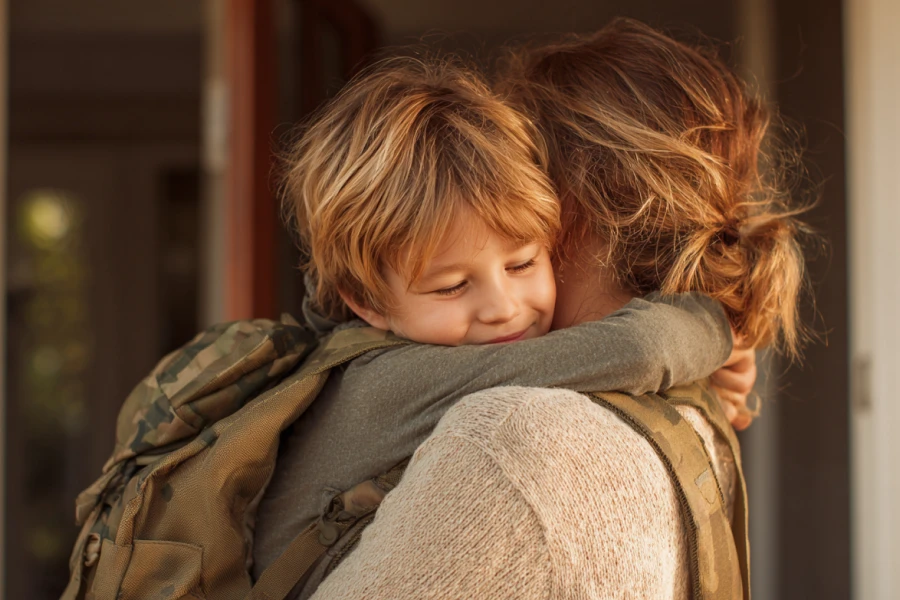
Gratitude exercises for children help kids notice kindness, comfort, and support in everyday life. They are not about forcing constant positivity. They are about teaching attention. A child can learn to notice a helpful friend. They can remember a good meal. They can appreciate a quiet bedtime story. These small reflections build emotional awareness. They also help families end the day with warmth.
Daily Habits That Strengthen Family Bonds makes this practice easier with simple family routines. Parents get structure. Children get language. The home gets a gentle habit that can make connection feel more visible.
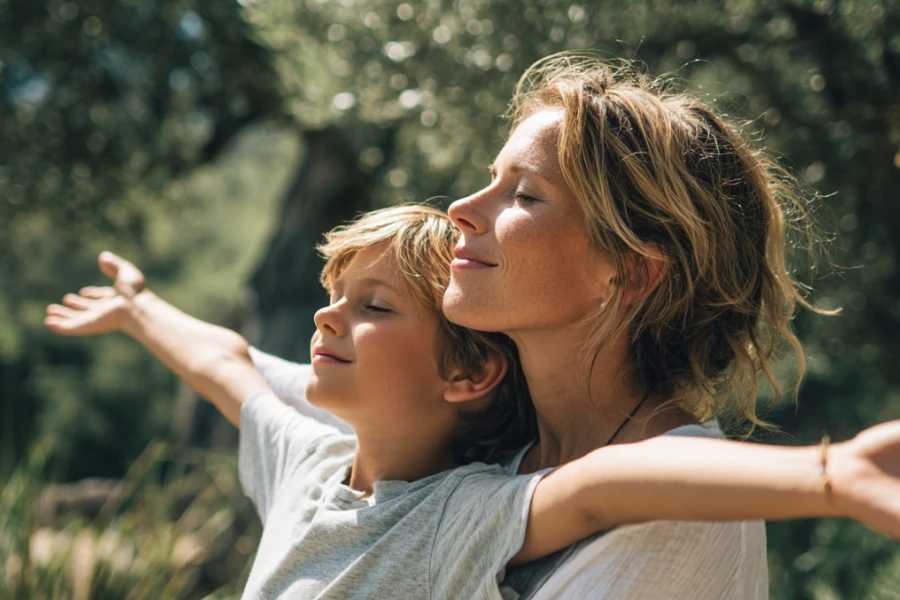
Children often feel big emotions quickly. Gratitude does not erase those feelings. It adds another emotional skill. A child can feel disappointed and still notice something good. They can feel tired and still appreciate help. This balance matters. It teaches emotional flexibility.
Gratitude also shifts attention toward relationships. Children begin seeing the care around them. A family connection guide can help make those observations part of daily life. Gratitude becomes a practice, not a performance.
Simple prompts work best for children. Ask what made you smile today, ask who helped you today, ask what felt cozy today. Ask what you liked about being home. Keep answers short if needed. Younger children may answer with one word. Older children may share a story.
Both responses count. Avoid correcting their gratitude. Let their answer belong to them. Parents can answer too. Modeling matters because children learn from tone. Use daily family connection rituals to place the prompt at dinner, bedtime, or morning routines.
Bedtime is a natural time for gratitude because the day is ending. Children are often more reflective then. Keep the exercise calm. Do not make the list too long.
The goal is comfort, not homework. A gentle gratitude prompt can soften bedtime resistance. It also helps parents end the day with connection. Daily Habits That Strengthen Family Bonds helps families create this kind of repeatable evening ritual. Small reflections can become powerful emotional anchors.
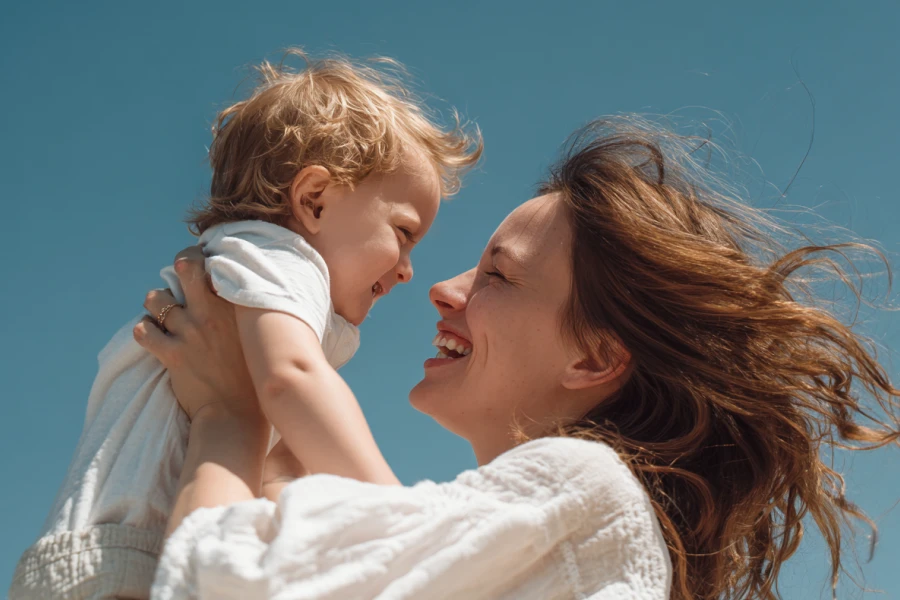
Many children enjoy visual routines. Create a gratitude jar. Add one note each day. Draw a small picture instead of writing. Use colorful paper. Let children decorate the jar. Read notes together at the end of the week. Keep the tone playful. A visual practice makes gratitude easier to understand.
It also turns appreciation into something children can see. These activities support meaningful activities for families because everyone can participate. The jar becomes a record of kindness. It reminds children that good moments exist even during imperfect weeks.
Gratitude should not be used to silence hard feelings. A child should not be told to be grateful instead of upset. That approach can feel dismissive. Use gratitude after emotions have been heard. First, name the feeling. Then offer comfort. Later, invite reflection.
Ask who showed kindness and what they learned about support. This teaches children that gratitude can live beside difficulty. It also helps families repair after tension. A simple bonding habits guide can help parents keep this balance gentle and respectful.
Gratitude grows stronger when the whole family participates. Parents should share real answers too. Mention small things, not only big wins. Appreciate a child’s effort, appreciate a sibling’s patience.This teaches children what gratitude sounds like in daily life.
Keep the practice honest. Do not force everyone to feel cheerful. Invite participation instead. When gratitude feels safe, children return to it more willingly. Daily Habits That Strengthen Family Bonds gives families a simple way to include gratitude without making it stiff. The practice becomes warmer when everyone belongs inside it.
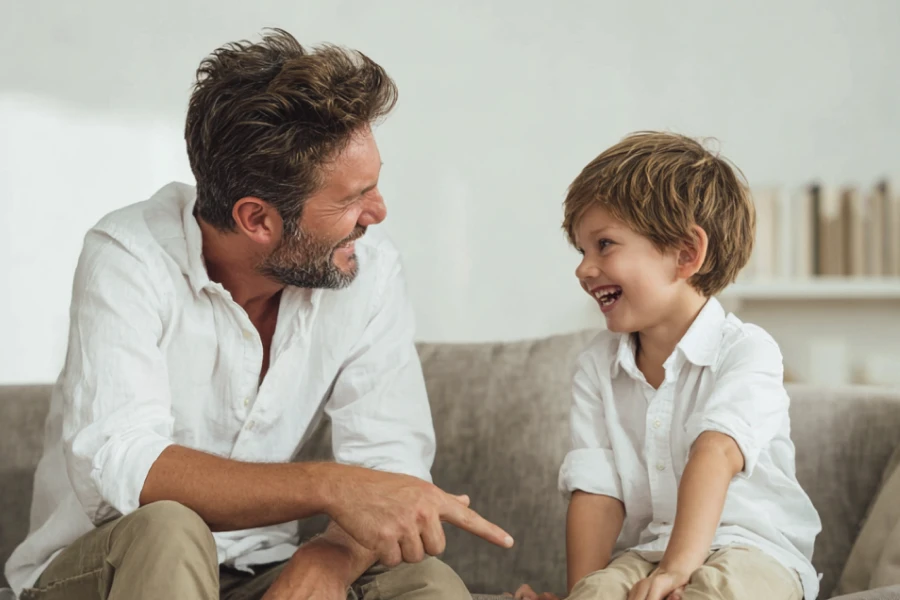
A lasting gratitude habit needs consistency and flexibility. Choose one daily moment. Keep the prompt simple. Let children skip occasionally without shame. Return the next day. Save favorite answers. Laugh at funny ones. Honor tender ones. Let the practice grow with your child. Younger children may draw.
Older children may write privately. Teens may prefer short verbal answers. That flexibility keeps the habit alive. Gratitude helps children see care more clearly. It also helps parents notice what is working. Over time, appreciation becomes part of the family’s emotional language. That language can make home feel kinder, safer, and more connected.


Leave a comment
You must be logged in to post a comment.